



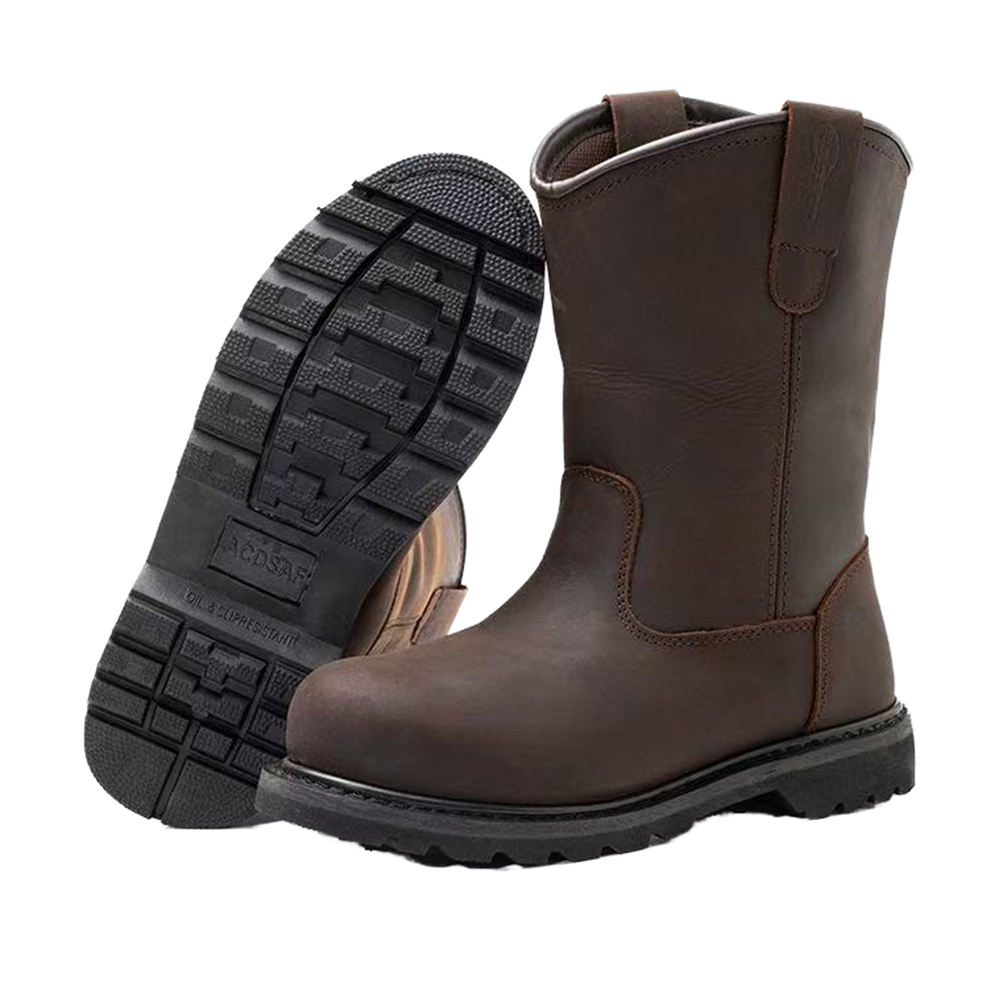
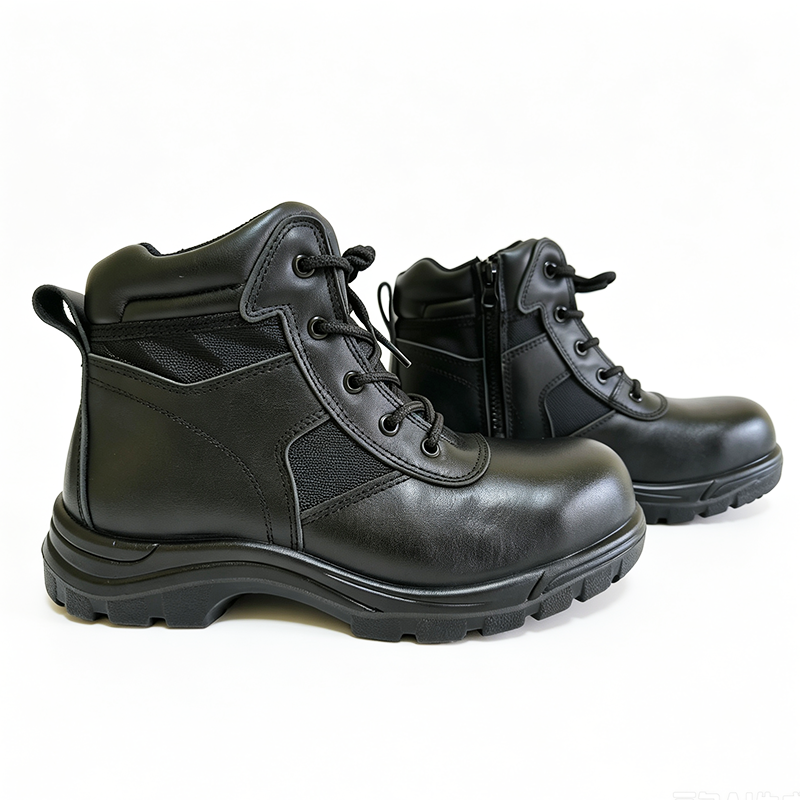
The European Commission launched the JACOP 2025 joint compliance campaign together with market surveillance authorities from eight countries Cyprus, Germany, Luxembourg, the Netherlands, Norway, Portugal, Spain and Sweden. This campaign focused on foot protection PPE including safety shoes and work footwear. A total of 83 safety shoe models were sampled. 65% of samples were purchased from online stores, and 35% from offline physical retailers. All samples went through lab performance tests following the PPE Regulation (EU) 2016425 and harmonised standard EN ISO 20345, alongside documentary audits covering CE marking, labelling, user instructions and EU Declaration of Conformity (DOC).
Safety shoes act as the core foot protection PPE for workers in construction, logistics, heavy industry, oil & gas and manufacturing. When safety footwear fails, workers may suffer toe crush injuries, sole puncture wounds, electrostatic ignition or slip accidents. These incidents lead to work absence, compensation costs and eroded market trust in PPE products. Inspectors evaluated both physical protection performance and formal marking compliance. Combined results show 82% of sampled safety shoes contained at least one non-conformity.
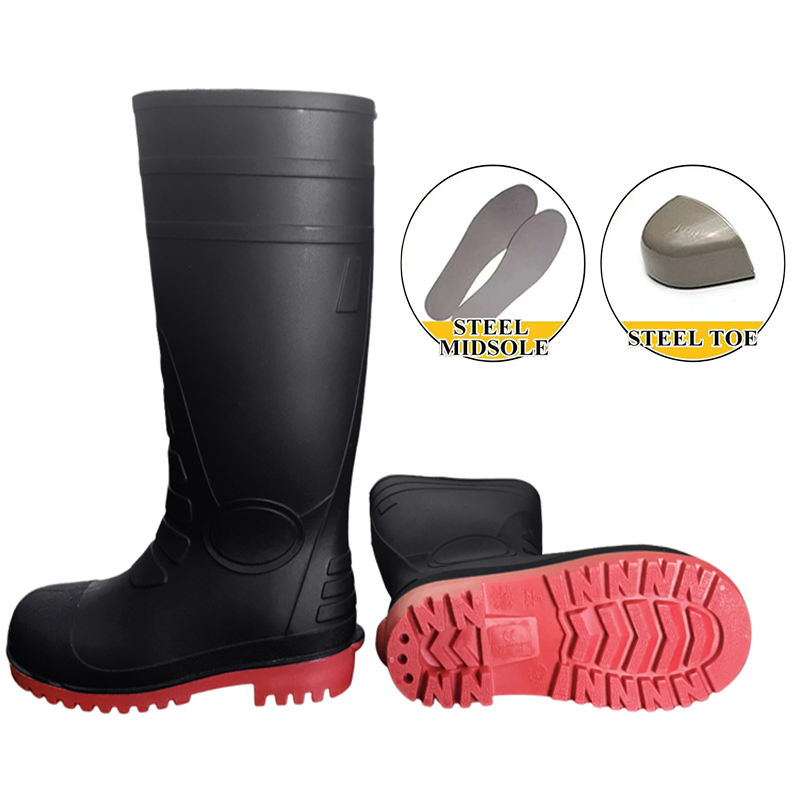
The top three performance failures are insufficient anti-static performance, inadequate impact resistance and poor puncture resistance. Improper assembly of core protective inserts during mass production makes finished goods fail safety requirements. Poor anti-static performance brings explosion hazards in ATEX and electronics workshops. Toe caps cannot sustain the mandatory 200J impact energy and fail to protect toes from falling loads. Puncture-resistant midsoles cannot block nails, metal scraps and broken glass on site.
EU regulators state clearly that operators supplying non-compliant foot protection PPE face product withdrawal, mandatory recall, fines and civil liability for workplace injuries. Several high-risk work footwear lines have been recalled after this inspection, and many non-compliant models were banned from the EU single market. EU surveillance frequency will keep rising, with online channels under tight supervision. Non-compliant shipments can be detained at EU customs.

Post time: Nov-16-2026

